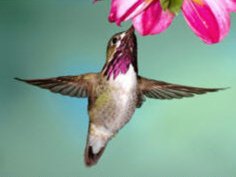
In this video you will discover why the HumZinger feeder is a popular favorite with hummingbird enthusiast, how to properly make your own hummingbird necar solution and what is the number one reason the hummingbirds aren’t visiting your feeders.
Category: Hummingbird Feeders
In many parts of the country, the hummingbirds have begun their migratory journey. This usually prompts people to begin wondering when they should take down their hummingbird feeders. This is something that my own mom often wondered about and that I have frequently been asked about by various friends and family who know that I am an avid hummingbird enthusiast. This post is for all of you and I thank you for prompting me to write this particular post.
Here in southeast Texas, which is located about 90 miles east of Houston, we have mostly Ruby-throated Hummingbirds and usually by this time of year they have migrated out of the area. This year seems to be different and the migration seems to be delayed. Several people I know, including my boyfriend’s mom, still have hummingbirds visiting their feeders every day at the present time. While it is difficult to explain the exact reason for this, it could be that the birds are just later in making their migratory journey or the birds may not be well enough to make the journey any longer.
It is important to know that there is no exact date by which your feeder should be taken down. The decision to do so isn’t an exact science. As a general rule, it is believed that leaving your feeders up until at least two weeks have passed since seeing your last hummingbird is a good idea. Doing so will not stop the hummingbirds from making their migratory journey. When migration occurs is determined by a change in the length of the day or photoperiod.
Also, leaving your feeders up for a longer period of time will provide a valuable food source for any birds that are late in making their migratory journey, those which are somehow off course or those that are physically unable to make the migratory journey.
On a personal note, I must apologize for the fact that there have not been any new post for the past several days. This was totally unplanned and unavoidable due to the fact that my Internet was down. It was not until earlier today that my friend was able to fix the problem. Thanks for your understanding concerning this matter.
Anyone who is a hummingbird enthusiast is probably all too aware that both bees and wasp are some of the most common pest that often visit your hummingbird feeders. It is often a constant and never ending battle to keep these pest away from your feeders and in the past I have discussed a wide variety of ways you can try and detour them, but today I want to focus on another method which is surprisingly simple which you may have never even thought of before. What exactly is this surprising discovery?
The shockingly simple way to help and detour the bees and wasps from frequenting your hummingbird feeder is to avoid having yellow on it. It is just that simple,don’t have yellow on the feeder. Why should you avoid having yellow on the feeder? Both bees and wasp find the color yellow to be quite attractive which then attracts them to the feeder, but they do not find the color red attractive and will therefore be less likely to visit your feeders.
If the feeder you currently using has those plastic bee guards or flowers, then I suggest that you paint them red using non-toxic paint to help lesson the attractiveness of the feeder to the bees and wasp and yet the hummingbirds you are trying so hard to attract will still visit your feeders.
Who knew that the yellow found on your feeders could be yet another thing which was causing the bees and wasp to be so attracted to your feeder. It is so simple to avoid so why not do yourself and the hummingbirds a favor by doing so.
This shockingly simple solution would have been of great interest to my mom who was an extremely practical women by nature and who was therefore always looking for simple and effective ways to accomplish things. I can easily envision her having shared her new found knowledge with any other hummingbird enthusiast she might have known. Well mom, since you are unable to do so yourself, I will pass this knowledge along for you to all who read this post.
My mom was always looking for various ways to beautify the yard while also helping to attract many more hummingbirds. She would use a wide variety of plants and hummingbird feeders. While many of the hummingbird feeders she had were the traditional glass ones ones with red on them, the feeder you select does not have to be red. It is a well known fact that red will capture the attention of the hummingbirds, but once they discover your feeder they will visit your feeder regardless of what color the feeder turns out to be.
There are many decorative feeders on the market today. I have seen some with elaborate designs on them, some that are made of plastic, colored glass, brass and even wooden hummingbird feeders. My mom had many traditional glass hummingbird feeders that had red on them, but one of the last ones she ever received had three blue glass bulbs and you could fill each of them with nectar. The hummingbirds seemed to like the blue feeder just as much as any of the others in our yard.
Whenever I look at hummingbird feeders myself, I am personally more drawn to the more decorative ones because they are just so beautiful and it makes me think that it is my way of trying to help beautify the area in which it will hang. It also makes me think of my mom and wish that I could purchase a particularly beautiful one just for her because she would admire its sheer beauty and in some small way I would be doing my part to attract the birds that we both enjoy.
My point is this, if you find a really pretty but more decorative looking hummingbird feeder that you like do not let the fact that it has a more decorative or elaborate appearance discourage you from purchasing it. You will appreciate its beauty and it can also enhance the beauty of your yard, but you will still attract the hummingbirds that you enjoy so much. The hummingbirds will eventually find it, especially if you have it hanging near some flowers or plants that they like or if they are aware that you have provided food for them before.
Thanks mom for giving me such a love of hummingbirds. It is just one of the many ways that I remain so connected to you even now and I know that this will never change.
It is a well known fact that you will need to change the nectar solution in your hummingbird feeder regularly. Just what is meant by regularly? This is something that my mom and so many others have wondered about and never quite had the definitive answer to before. This post will provide you with the information you seek. Well, what is meant by regularly depends on where you live and the temperature you are experiencing in your area of the country.
Below you will find a chart that offers some guidelines as to how often the nectar solution should be changed. The temperatures listed below are only guidelines and are not exact. The information in this list is not my own and comes from the website How to Enjoy Hummingbirds.
High temperatures…………Change nectar after
71-75……………………………6 days
76-80……………………………5 days
81-84……………………………4 days
85-88……………………………3 days
89-92……………………………2 days
93+………………………………change daily
You should keep an eye on your feeders and make sure that the nectar solution does not appear to be cloudy or appear to contain mold. If this occurs, immediately clean your feeders well and fill once more with fresh nectar solution. Another simple rule of thumb is to clean your feeders every single time that they need to be filled once again. It is far better to make sure that your feeders are clean and the nectar solution fresh rather then risking causing any harm to the hummingbirds that we all so enjoy.