March 9, 2010

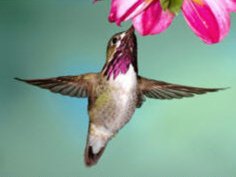
Antillean Crested Hummingbird

  • In Antigua, the Antillean Crested Hummingbird is commonly referred to as "Doctor Bushy."
  • The Antillean Crested Hummingbird is the most common hummingbird of the islands.
  • This hummingbird species is found throughout the lesser Antillies.  They are must abuntantly found in the lowlands, but they are also known to be widespread from sea level to mountain forest.

This is a species of hummingbird that I myself had never heard of before, prior to doing some further research into the subject of hummingbirds.  Have ever heard of this species before?  If so, do you have any additional information that you would like to share about this particular species of hummingbird? Your comments are always welcome.

Permalink • Print • Comment

March 8, 2010

The Gestation Period of Hummingbird Eggs

Since it is quite difficult to locate a hummingbird's nest and therefore most of us may never see one for ourselves, I thought I would share with you some information about the hummingbird's eggs and the length of their gestation period.

In most cases, a female hummingbird will lay two eggs.  There are sometimes when the female will only lay one egg.  Here is a surprising fact about the eggs, each of the two eggs will be laid on two different days, but the eggs will hatch on the same day.  That is right, both eggs will hatch on the same day!  How is this?  The answer is because the female hummingbird will not start incubating the eggs until both of them have been laid.

The incubation period for hummingbird last tipically between 16-18 days, but it can last as long as three weeks if the weather at the time is cooler then usual.  The female hummingbird tries to maintain the temperature of the nest at about 96 degrees.  So in general, the gestation period of hummingbird eggs is between two and three weeks, depending on the circumstances which are occuring at the time.

A hummingbird eggs will be white in color and only about the size of a pea or jelly bean.

I hope you have enjoyed disovering a bit about the gestation period of hummingbird eggs.  This is the type of information that I know would have fascinated my mom, and I so wish she was still living for me to be able to share it with her as well as all of you who read this blog.

Permalink • Print • Comment

March 7, 2010

How to Select a Hummingbird Feeder

Having a hummingbird feeder in the yard is probably the easiest way to attract hummingbirds.  There are so many varieties available, so which feeder should you select?  There is no perfect answer to this question, but after having read this post you should have a better idea of the types of things that you should consider when trying to select the feeder that you want for your yard.

The first consideration should be the color of the feeder.  It is important to note that the hummingbird feeder you select does not have to be red.  It can be decorative in nature and add to the asstestics and beauty of your yard.  Many of the feeders on the market today will have some red on them, but if the one you select does not you can hang a red ribbon above it to help attract the hummingbirds to it.

The next thing to consider is what size of hummingbird feeder to buy.  If you are just starting out with trying to attract hummingbirds, I would suggest you start out with a smaller sized feeder.  You can not be sure when starting out the number of hummingbirds that will be visiting your yard.  The smaller size of the feeder will helpfully prevent the spoilage of the nectar in the feeder.  If you choose to buy a larger sized hummingbird feeder, only fill it up particially with nectar until the number of birds visiting the feeder increases.

Another consideration is where to place the hummingbird feeder.  The feeder can be placed on tree braches, garden stakes or a metal hook.  If you have multiple feeders, then place the feeders out of site of one another, because male hummingbirds are quite territorial and will try to defend them.  Feeders can be grouped together also, because it will be impossible for the male hummingbird to defend all the feeders, thus more of the hummingbirds will be able to feed at the same time.  You will also want to hang the feeder in a shady area rather then in direct sunlight to try an help prevent the nectar from spoiling as a result of its exposure to direct sunlight.  You can also place the feeders near plants that attract hummingbirds and the birds will find the feeders.

It is important that the feeder be very easy to clean.  You will want to do this each time you refill the feeder or every three or four days in very warm weather.  A clean feeder is the best way to prevent mold and bacteria from forming which can be very harmful to the hummingbirds.

Bees and ants are common pest associated with hummingbird feeders.  How do you solve this problem?  Most feeders on the market today are designed in such a way that will prevent the bees from accessing the nectar reservoir.  To solve the problem of ants, the best solution is to buy a feeder which has an ant mote, which is a device which is hung above the feeder and filled with water.  This device works because ants are unable to swim.

It is my hope that these tips will help all of you who wish to discover how to select a hummingbird feeder. Even if you have heard this information before, it does not hurt to be reminded of it once again because you never know when you might once again have need of it once again.   Maybe now all the various choices which are available on the market today will seem a little bit less overwhelming to each of you.  Here is to many happy hours of hummingbird watching!

Permalink • Print • Comment

March 6, 2010

Rose of Sharon Attracts Hummingbirds

If you are looking for a bush to add to your yard, I would like to suggest the Rose of Sharon.  Your ability to select this bush will depend largely on where you live, as this bush is known to do well in zones 5-9 of the country.  Here is some further information about this bush that will help you deciede if this bush is something you would like to add to your yard as a way to attract more hummingbirds to your yard.

Normally, Rose of sharon bushes will be between 8-10 feet tall and have a spread of between 4-6 feet.  However there are some varieties of this bush that will only reach a height of between 5-8 feet tall.  The blooms of this bush can come in a wide variety of colors including:  light blue, lavender, red or white.  The Rose of Sharon often blooms late in the summer as well as leafs out late in the summer, so do not give up if it takes longer then you expect for this to occur.

If you wish to give this bush its desired shape, you can do so by pruning it in the winter of its first two growing seasons.  This will give the bush one main truck, which is why many people tend to refer to this bush as a tree.

The Rose of sharon bush does best when placed in full sun and well drained soil.  If you have an older Rose of sharon bush that is not doing very well, the problem may be caused by fungal damange because the bush has not been placed in an area where there is full sun.

Permalink • Print • Comment

March 4, 2010

The Life of Birds

This video excerpt is from The Life of Birds by David Attenborough.  In it you will discover many fascinating things about hummingbird flight, that there are hummingbirds found in the Andes Mountains and so much more. 

Permalink • Print • Comment
Birdscapes Top Fill Lightpost Hummingbird Feeder (9

Birdscapes Top Fill Lightpost Hummingbird Feeder (9" Height; Gray)

Fabulous gray metal exterior and five feeding ports looks great in any backyard. The metal exterior of the feeder hangs in the tree while you remove the shatter-proof reservoir for easy filling and cleaning. 24 oz. capacity
Usually Ships the Next Business Day,


Made with WordPress and an easy to use WordPress theme • Myrna's List skin by Myrna Weinreich